
Loading…
Loading…
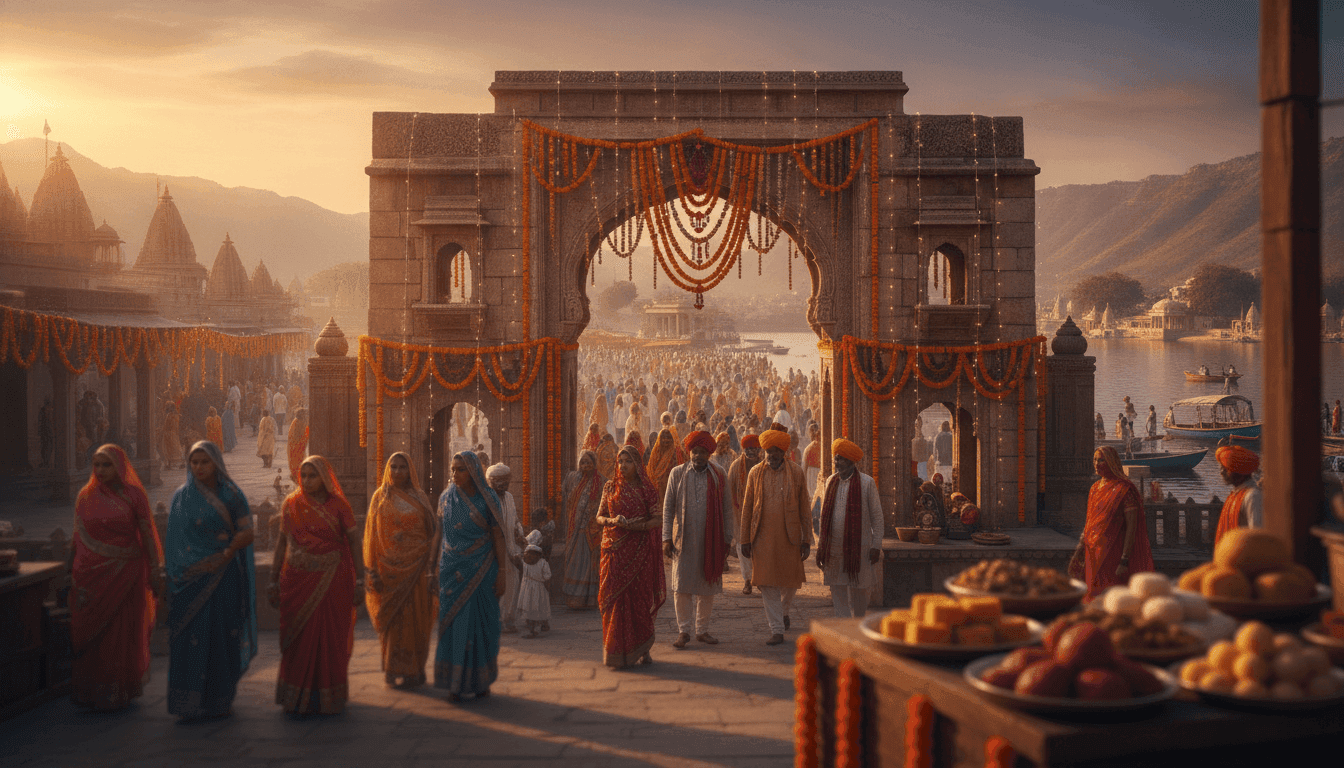
Discover Ajmer in October with this festive-season guide covering weather, Navratri, Dussehra, top attractions, Pushkar day trips, local food, travel tips and a convenient stay at Sarovar Portico Ajmer.
Ajmer is a city where faith, history and culture come together. Set among the Aravalli hills in Rajasthan, the city is home to the revered Dargah Sharif, historic forts, beautiful lakes, fascinating Jain architecture and several landmarks that reflect its rich past. Just a short distance away, Pushkar adds another important destination to the region, making Ajmer an ideal base for exploring both places.
October is an especially interesting time to visit Ajmer. The summer heat begins to ease, the landscape looks refreshed after the monsoon, and the city enters its festive season. Navratri and Dussehra bring colour and activity to the streets, while markets begin preparing for Diwali and nearby Pushkar starts getting ready for its annual fair.
Whether you are planning a short Delhi to Ajmer trip, a family holiday, a pilgrimage or a festive getaway, this guide covers the weather, festivals, top places to visit, things to do, nearby day trips, local food and practical travel tips for exploring Ajmer in October.
If you are looking for a good time to explore Ajmer, October brings together comfortable sightseeing conditions and a lively festive atmosphere.
Comfortable weather: The intense summer heat has eased, making sightseeing more manageable. Days are generally warm, while mornings and evenings can feel more pleasant.
Festive atmosphere: Navratri and Dussehra bring celebrations across the city, while the approach of Diwali adds lights, decorations, shopping and festive energy to local markets.
Lakes and green surroundings: After the monsoon, places such as Ana Sagar and Foy Sagar can offer pleasant views, while the Aravalli landscape around Ajmer looks refreshed.
Before the Pushkar Fair crowds: The major Pushkar Fair takes place later in the year, so October can offer an opportunity to visit Pushkar before the busiest period.
Convenient getaway: Ajmer is well connected by road and rail, making it suitable for a short break from Delhi, Jaipur and other cities in North India.
October in Ajmer is generally warm during the day and more comfortable in the mornings and evenings. As the month progresses, evenings can become noticeably cooler, making outdoor sightseeing and lakeside visits more enjoyable.
Rainfall is generally limited after the monsoon season, although weather conditions can vary from year to year. If you are planning long sightseeing days, mornings and late afternoons are often more comfortable than the middle of the day.
Pack lightweight and breathable clothes for daytime sightseeing, along with a light jacket or shawl for cooler evenings. Comfortable walking shoes are important because several attractions involve walking.
Sunglasses, sunscreen and a water bottle can also be useful. When visiting Dargah Sharif and other religious sites, carry a scarf or cap and dress modestly in accordance with local customs.
Navratri brings a festive atmosphere to Ajmer, with temples, neighbourhoods and markets becoming more vibrant during the nine-day celebration. Depending on the local programme, visitors may find devotional gatherings, bhajan evenings, garba and dandiya events.
The atmosphere becomes particularly lively in the evenings, when families and communities come together for celebrations. If you want to experience Navratri events during your trip, check local schedules before planning your evening.
Navratri concludes with Dussehra, which is celebrated in different parts of Ajmer through Ramlila performances and traditional festivities. Public celebrations may include the burning of Ravana effigies and community gatherings.
Since the exact event schedule can vary by location and year, it is advisable to check local announcements before visiting a particular celebration.
Sharad Purnima and Karwa Chauth can add to the festive atmosphere depending on the year's lunar calendar. Local markets may become busier with traditional clothing, bangles, mehendi and festive shopping.
These occasions can also give visitors an opportunity to experience local traditions beyond Ajmer's major tourist attractions.
As Diwali approaches, Ajmer's markets begin filling with lamps, decorations, sweets, traditional clothing and other festive items. Areas such as Naya Bazaar, Madar Gate and Kaisarganj can be interesting places to experience the city's local shopping culture.
At the same time, Pushkar begins preparing for its famous annual fair, which takes place later in the year. Visiting in October lets you experience the town before the major crowds arrive.
The Dargah Sharif is the spiritual heart of Ajmer and one of the city's most significant landmarks. Devotees and visitors from different parts of India and around the world come to the shrine to offer prayers.
Explore the historic gateways and courtyard, experience the devotional atmosphere and, where permitted, attend qawwali sessions. Early morning or later evening visits can be more comfortable, depending on crowd levels.
Remember to follow the site's guidelines regarding dress, head covering, footwear and photography.
Ana Sagar Lake is one of Ajmer's most popular scenic attractions. The lake and its surroundings provide a pleasant break from the city's busy streets, particularly during the cooler evening hours.
The marble Baradari pavilions and nearby gardens add architectural and historical interest. A sunset visit can be a relaxing way to end a day of sightseeing.
Located near the Dargah area, Adhai Din Ka Jhonpra is an important historical monument known for its intricately carved pillars and distinctive arches.
Its architectural details reflect the complex history of the region and make it an interesting stop for travellers interested in heritage and architecture.
Taragarh Fort is located on a hill overlooking Ajmer and offers expansive views of the city and surrounding Aravalli ranges.
The journey involves elevation and walking, so comfortable footwear is recommended. October can be a more suitable time to explore the fort than the hotter summer months.
Soniji Ki Nasiyan, also known as the Red Temple, is a notable Jain temple in Ajmer. Its red sandstone exterior and the detailed Swarna Nagari hall make it different from many of the city's other attractions.
The intricate interior displays Jain themes through detailed craftsmanship, making this a worthwhile stop for visitors interested in art, architecture and culture.
Akbari Fort, also known as the Magazine, is another important historical attraction. The complex houses a museum with collections relating to Rajasthan's history and archaeology.
It can be included alongside the Dargah and other central Ajmer attractions for a heritage-focused day.
Located on the outskirts of Ajmer, Nareli Jain Temple is known for its marble architecture and hillside setting. The combination of traditional design and contemporary architectural elements makes it a distinctive place to visit.
Its surroundings also make it an appealing stop for photography and quiet exploration.
Foy Sagar Lake offers a quieter setting away from the busier parts of central Ajmer. Surrounded by the Aravalli landscape, it can be a pleasant place for an evening visit or a short break during a sightseeing day.
Mayo College is one of Ajmer's well-known architectural landmarks, with an Indo-Saracenic design and a long history dating back to the 19th century.
Since access to the campus is restricted, visitors should check current entry rules. Even from outside, the architecture makes it an interesting addition for travellers exploring Ajmer's heritage.
Pushkar is one of the easiest day trips from Ajmer. Located across the Nag Pahar hills, the town is known for Pushkar Lake, the Brahma Temple, its ghats and colourful market streets.
You can spend the day visiting temples, exploring the bazaar, attending the evening aarti at Pushkar Lake and travelling to Savitri Mata Temple for panoramic views.
October is also a good time to experience Pushkar before the larger crowds associated with the annual fair arrive.
Kishangarh is another destination that can be included in an Ajmer itinerary. The town is associated with the Bani Thani style of miniature painting and has a distinctive connection with Rajasthan's artistic and royal heritage.
Photography enthusiasts may also find the surrounding marble landscape interesting.
If you have one full day available, you can combine some of Ajmer's major attractions with Pushkar.
Start with Dargah Sharif, explore Adhai Din Ka Jhonpra and Soniji Ki Nasiyan, stop for lunch in Ajmer and then head towards Pushkar for the evening. This gives you the opportunity to experience the region's Sufi, Jain and Hindu cultural heritage in a single itinerary.
After checking in, keep the first day relatively relaxed. Visit Ana Sagar Lake and the Baradari around sunset before exploring local dining options.
If your visit coincides with festive celebrations, you can spend the evening exploring local markets or attending a nearby event.
Begin the day with a visit to Dargah Sharif. Continue to Adhai Din Ka Jhonpra, Soniji Ki Nasiyan and Akbari Fort and Museum.
Depending on your interests and available time, you can add Taragarh Fort. In the evening, return to the Dargah area or explore a local Navratri or Dussehra celebration if one is taking place.
Spend your final day in Pushkar. Visit the Brahma Temple and Pushkar Lake, explore the local market and try traditional food such as malpua.
You can also visit Savitri Mata Temple before returning to Ajmer.
Ajmer's food culture reflects its diverse history and regional influences. From traditional Rajasthani dishes to Mughlai flavours and festive sweets, there are plenty of local specialities to try.
Sohan halwa is one of Ajmer's well-known sweets and makes a popular edible souvenir.
Kadhi kachori is a popular local breakfast combination, pairing crisp kachori with tangy kadhi.
No Rajasthan food experience is complete without trying dal baati churma. The combination of baked wheat dumplings, spiced dal and sweet churma is a traditional favourite.
The lanes around Dargah Sharif are known for Mughlai and North Indian food. Depending on your preferences, you can explore dishes such as kebabs, biryani and other local preparations.
If you take a day trip to Pushkar, try the town's famous malpua while exploring its colourful markets.
During Navratri, Dussehra and the approach to Diwali, local sweet shops feature festive favourites such as ghevar, mawa kachori, besan barfi and kaju katli.
Choosing the right accommodation can make a short Ajmer trip more convenient, especially when your itinerary includes the Dargah, railway station, Ana Sagar and Pushkar.
Among hotels in Ajmer, Sarovar Portico Ajmer offers a convenient base for pilgrims, families, business travellers and tourists exploring the city. The hotel is approximately 1.6 km from Dargah Sharif and around 0.8 km from Ajmer Junction, making it convenient for travellers arriving by train. Pushkar is around 14 km away.
The hotel currently offers 88 rooms and suites across Superior, Premium, Junior Suite and Suite categories. Guests can also make use of Flavours, the hotel's all-day dining restaurant, along with other facilities designed for a comfortable stay.
For guests travelling for celebrations, family gatherings or business events, Sarovar Portico Ajmer also has three banquet halls: Sapphire II, Sapphire I and Ruby, with different capacities and layouts.
If you are travelling during October's festive period, booking accommodation in advance is advisable, particularly around Navratri, Dussehra and long weekends.
Kishangarh Airport is the nearest airport serving Ajmer. Travellers can also use Jaipur International Airport, which offers wider connectivity, and continue to Ajmer by road.
Ajmer Junction is well connected to Delhi, Jaipur, Mumbai, Ahmedabad and several other major cities. For travellers arriving by train, staying close to the station can make the beginning of the trip more convenient.
Ajmer is well connected by road with Delhi, Jaipur and other cities in Rajasthan. A road trip can be particularly convenient for families and groups who want flexibility during their journey.
· Visit Dargah Sharif during less crowded hours where possible.
· Dress modestly and follow the dress and head-covering customs at religious sites.
· Wear comfortable footwear for sightseeing and heritage attractions.
· Carry sunscreen, sunglasses and a light layer for cooler evenings.
· Check local schedules before planning your itinerary around Navratri or Dussehra events.
· If visiting Pushkar, keep enough time for travel between the two destinations.
· Book your accommodation in advance for festive weekends and holidays.
· Keep some flexibility in your itinerary so you can explore local markets and celebrations.
Ajmer in October brings together spirituality, heritage, festive celebrations, local food and easy access to Pushkar. From visiting Dargah Sharif and watching the sunset at Ana Sagar to exploring historic monuments, enjoying local cuisine and experiencing Navratri or Dussehra celebrations, the city offers plenty to discover.
For travellers looking for a comfortable and convenient base, Sarovar Hotels offers Sarovar Portico Ajmer, combining accommodation, dining and event facilities in a location that makes exploring the city and nearby Pushkar convenient.
Whether you are visiting Ajmer for a pilgrimage, festive getaway, family holiday, business trip or weekend escape, connect with the hotel team to enquire about room availability and stay arrangements.
Sarovar Portico Ajmer
Phone: +91 145 350 8000
Mobile: +91 92 5703 8814
Email: mspa@sarovarhotels.com
For Sarovar Hotels reservations:
Phone: +91 98 8680 0049
Email: reservation@sarovarhotels.com