
Loading…
Loading…
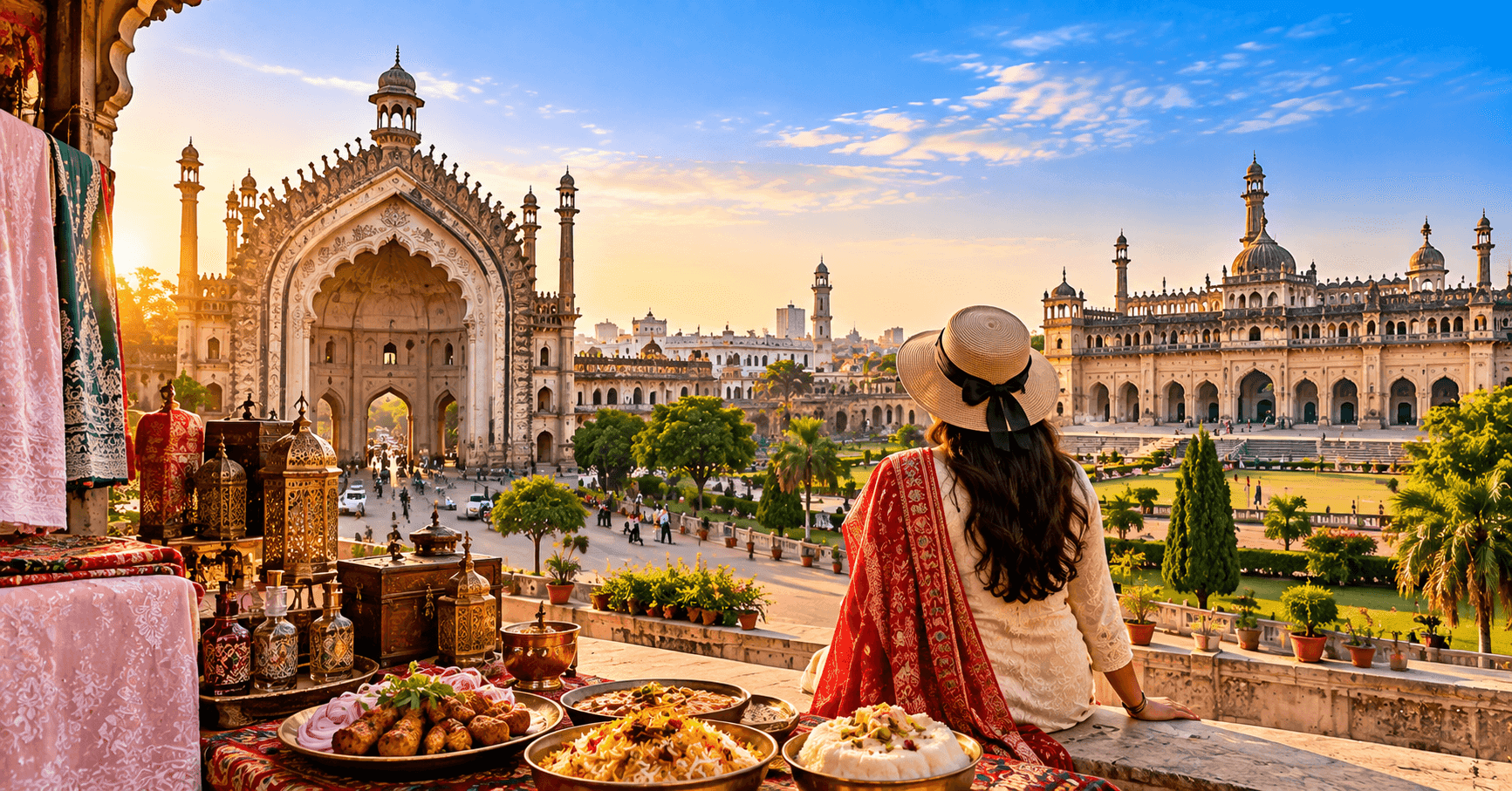
Plan a winter vacation in Lucknow and explore heritage places, famous Awadhi food, traditional shopping markets and top tourist attractions. Discover comfortable stays with Sarovar Hotels for a memorable getaway.
Imagine spending a winter morning exploring grand Nawabi monuments, followed by a plate of freshly prepared kebabs and an afternoon browsing traditional markets. As the evening chill sets in, you can settle into a café or discover another corner of the city's rich food culture. That's the charm of a winter vacation in Lucknow!
Known for its royal heritage, graceful architecture and celebrated Awadhi cuisine, Lucknow offers a holiday that combines history, shopping and memorable food experiences. Whether you're travelling with family, planning a cultural break or exploring the city with friends, winter is a lovely time to discover its many sides.
From the impressive Bara Imambara and the iconic Rumi Darwaza to the bustling lanes of Chowk and the shops of Hazratganj, there's plenty to explore. This guide covers the best places to visit, famous local dishes, shopping destinations, a three-day itinerary and practical tips for planning your winter getaway.
Winter sightseeing: Explore Bara Imambara, Chhota Imambara, Rumi Darwaza and the historic British Residency.
Awadhi cuisine: Try Galouti Kebabs, Kakori Kebabs, Awadhi biryani and seasonal Makhan Malai.
Traditional shopping: Discover Chikankari embroidery, Zardozi work, attars and local handicrafts in Chowk and Aminabad.
Cultural experiences: Explore Lucknow's architecture, historic neighbourhoods and local markets at a relaxed pace.
Travel planning: Allow extra time for fog, book accommodation ahead and group nearby attractions together.
Winter brings a different charm to Lucknow. The cooler weather generally makes it more comfortable to explore historic buildings, walk through traditional markets and spend time outdoors. November to February is usually a suitable period for sightseeing, although mornings can be cold and fog may occasionally affect travel.
The season is also a good time to explore the city's food traditions. From hearty meals at traditional eateries to seasonal sweets such as Makhan Malai, winter offers plenty of reasons to slow down and enjoy Lucknow's culinary heritage.
Another reason to visit is the variety of experiences available across the city. You can spend one day exploring Nawabi monuments, another discovering Chikankari and traditional crafts, and a third sampling local food and visiting quieter heritage sites.
Whether you're visiting for a weekend or planning a longer holiday, Lucknow offers a rewarding combination of history, food and culture.
Lucknow's historic monuments offer a glimpse into the city's Nawabi past, while its colonial-era buildings and public spaces reveal other layers of its history. Here are some of the places worth adding to your winter itinerary.
Bara Imambara is one of Lucknow's most recognisable landmarks. Commissioned by Nawab Asaf-ud-Daula in 1784, the complex is known for its grand central hall and distinctive architectural design.
One of its main attractions is the Bhulbhulaiya, a network of passages in the upper section of the building. The complex also includes the Shahi Baoli, a historic stepwell that adds another dimension to the visit.
Allow enough time to explore the site rather than treating it as a quick photo stop. You can also consider an authorised guide to learn more about the building's history and design.
Best for: History enthusiasts, architecture lovers and first-time visitors.
Located near Bara Imambara, Chhota Imambara was commissioned by Muhammad Ali Shah. The monument is known for its decorative interiors, chandeliers and intricate architectural details.
The surrounding complex also contains historic structures that reflect the artistic traditions of Awadh. Since it is close to Bara Imambara and Rumi Darwaza, you can visit all three as part of a single heritage outing.
Visit during the day to appreciate the building's architectural details and allow time to explore the surrounding area.
Best for: Heritage enthusiasts, photographers and cultural travellers.
Rumi Darwaza is one of Lucknow's most distinctive architectural landmarks. Built during the reign of Nawab Asaf-ud-Daula, the ornate gateway reflects the city's architectural heritage and stands between the Bara and Chhota Imambaras.
Its elaborate design makes it a popular photography stop. You can easily include it while exploring the surrounding monuments in Old Lucknow.
Since the gateway stands beside busy roads, take care when crossing and follow local traffic rules.
Best for: Architecture, photography and heritage walks.
The British Residency offers a different perspective on Lucknow's history. The complex played a significant role during the uprising of 1857 and preserves the remains of buildings damaged during the siege.
Visitors can explore the historic grounds and museum displays to learn more about the events associated with the site. The setting also provides a quieter contrast to the busy streets of Old Lucknow.
Check the current opening hours and ticket arrangements before visiting.
Best for: History lovers, students and travellers interested in colonial-era architecture.
If you have additional time, consider Dilkusha Kothi. The surviving ruins reflect European architectural influences and offer another perspective on Lucknow's historical development.
The building suffered significant damage during the events of 1857, and its remaining structures provide a glimpse into the city's past.
Visitor access may depend on current arrangements, so check the latest information before adding the site to your itinerary.
Best for: History enthusiasts, photography and quieter sightseeing.
Ambedkar Memorial Park in Gomti Nagar offers a striking contrast to the older monuments of Lucknow. The complex is known for its extensive sandstone structures, monumental architecture and broad open spaces.
You can include the park in an afternoon or evening outing, particularly if you want to explore a different part of the city after visiting the historic centre.
Check current entry timings and visitor rules before travelling.
Best for: Architecture, photography and relaxed outdoor sightseeing.
A winter visit to Lucknow would be incomplete without exploring its Awadhi cuisine. The city's food traditions include slow-cooked preparations, aromatic spices, rich gravies and sweets that have become part of its cultural identity.
Here are some local specialities to look out for.
Galouti Kebabs are among the city's best-known culinary specialities. Traditionally made with finely minced meat and aromatic seasonings, they are known for their soft texture and rich flavour.
They are often served with paratha or other accompaniments. If you enjoy exploring regional food, this is a good place to begin your Lucknow food trail.
Kakori Kebabs are another celebrated Awadhi preparation. Traditionally made with minced meat, spices and other flavouring ingredients, they are cooked on skewers and served with suitable accompaniments.
You can look for these dishes at established restaurants and traditional eateries around Lucknow. Check menus before visiting if you want to try a particular preparation.
Awadhi biryani is known for its fragrant rice and carefully balanced spices. Recipes vary between restaurants, but the focus is generally on aroma and flavour rather than excessive heat.
It makes a satisfying meal during a day of sightseeing. Pair it with a suitable side dish or raita, depending on the restaurant's menu.
Lucknow's street-food culture offers plenty of options for a quick snack between sightseeing stops.
Basket Chaat, also called Tokri Chaat, is served in a crisp potato basket with ingredients such as potatoes, chickpeas, yoghurt and chutneys. Matar Chaat combines cooked white peas with spices, herbs and tangy accompaniments.
Both are worth trying if you enjoy savoury street food. Choose busy outlets with good food-handling practices and check ingredients if you have dietary restrictions.
Makhan Malai, also known as Nimish, is a light, airy milk-based dessert associated with Lucknow's winter food traditions. It is often flavoured with saffron and cardamom and garnished with nuts.
The sweet is traditionally associated with cool mornings, and availability depends on the season and individual sellers. During winter, look for it at traditional sweet shops in Old Lucknow.
Different neighbourhoods offer different dining experiences:
Aminabad: Combine market shopping with regional snacks and Awadhi dishes.
Hazratganj: Choose from cafés, restaurants and more contemporary dining options.
Plan your food stops around your sightseeing route so you can explore different dishes without spending too much time travelling across the city.
Shopping is another highlight of a winter trip to Lucknow. The city is particularly known for Chikankari embroidery and Zardozi work, alongside traditional perfumes, textiles, jewellery and handicrafts.
Chowk is one of the established shopping areas in Old Lucknow. Its narrow lanes contain shops selling embroidered clothing, traditional perfumes, jewellery and local products.
You can also explore attars, traditional perfumes available in floral, woody and spice-based fragrances. Ask about the ingredients and concentration when comparing products, and test a small amount before purchasing.
Chowk is particularly convenient if you want to combine shopping with a visit to the area's historic monuments and food outlets.
Aminabad is a busy traditional market with shops selling clothing, fabrics, footwear, accessories and household products.
It is worth considering if you want a broad shopping experience rather than focusing only on embroidery. Prices and quality can vary between stores, so compare a few options before buying.
Hazratganj offers a different retail experience, with established shops, branded stores, cafés and restaurants. It is a convenient choice for travellers who want to combine shopping with a meal or an evening walk.
After exploring the older markets, you can head here for a more relaxed shopping experience.
Chikankari is Lucknow's celebrated hand-embroidery tradition, often featuring delicate floral and decorative patterns. Zardozi uses metallic threads and embellishments to create more ornate designs.
Keep these points in mind when shopping:
Inspect the embroidery to assess the neatness and consistency of the stitching.
Ask whether the work is hand-embroidered, machine-made or a combination of both.
Check the fabric, lining and finishing, especially on heavily embellished garments.
Compare prices across shops and request a receipt for higher-value purchases.
These checks can help you choose pieces based on their quality and intended use.
Once you've explored the main monuments, leave time for some of the city's everyday experiences. These can help you understand Lucknow beyond its most photographed landmarks.
Walk through the historic neighbourhoods around Bara Imambara, Rumi Darwaza and Chowk to discover the city's architecture, local shops and food traditions.
The area is best explored at a comfortable pace. Wear suitable footwear and allow extra time for busy streets and narrow lanes.
Spend an afternoon browsing Chowk or Aminabad for embroidered garments, traditional perfumes and other local products. If you prefer a more contemporary shopping experience, head to Hazratganj.
Comparing several shops can help you understand differences in craftsmanship, materials and prices.
Plan an evening around the city's food culture. Depending on your preferences, you could try an Awadhi meal, sample street-food favourites or look for seasonal sweets.
Choose places based on your route and check opening hours before travelling, particularly if you want to visit a specific traditional eatery.
If you need a break from the busy markets and monuments, consider Ambedkar Memorial Park or Janeshwar Mishra Park.
An afternoon or early evening visit can add a quieter experience to your itinerary. Check local conditions and opening hours before heading out.
Three days give you time to explore the city's major heritage attractions, enjoy Awadhi food and browse traditional markets without rushing between every stop.
Morning: Start at Bara Imambara and explore the Bhulbhulaiya and Shahi Baoli, following the site's current visitor arrangements.
Afternoon: Visit Rumi Darwaza and Chhota Imambara. Take a break for lunch at a nearby restaurant or explore local food options around Old Lucknow.
Evening: Browse the shops in Chowk for traditional perfumes, embroidered textiles and local sweets. Finish the day with an Awadhi dinner.
Morning: Visit the British Residency and explore the grounds and museum displays.
Afternoon: Head towards Hazratganj for lunch and shopping. Browse the clothing stores, cafés and local retail outlets.
Evening: If time permits, visit Ambedkar Memorial Park or another suitable public space. Choose a nearby restaurant for dinner to avoid unnecessary travel across the city.
Morning: Explore Aminabad for clothing, footwear and other local products. Compare a few shops if you're looking for Chikankari or Zardozi pieces.
Afternoon: Enjoy a final meal featuring a dish you haven't tried yet. You can also visit a museum or park, depending on opening hours and the weather.
Evening: Collect any remaining shopping purchases and prepare for departure.
Planning tip: Group nearby attractions together and check opening hours before setting out. This will help you make better use of your time, particularly if winter fog affects travel.
Lucknow's winter weather is generally suitable for sightseeing, but a little preparation can make the trip more comfortable.
Dress in layers: Mornings and evenings can be cold, while afternoons may be milder. Carry a warm jacket or sweater.
Check for fog: Winter fog can affect road, rail and flight schedules. Allow extra time for transfers and onward journeys.
Confirm opening hours: Check current timings, entry rules and ticket arrangements for monuments and museums before setting out.
Wear comfortable shoes: Heritage complexes, market lanes and historic buildings involve walking and sometimes uneven surfaces.
Plan food stops by area: Combine nearby restaurants and markets instead of travelling across Lucknow for individual dishes.
Carry some cash: Digital payments are common, but cash can be useful at smaller shops and some street-food stalls.
Respect local customs: Follow visitor rules at religious sites and ask permission before photographing people or private premises.
Choosing a hotel in Lucknow can make it easier to explore the city's monuments, food streets and shopping districts. Consider where you plan to spend most of your time, how you will travel around the city and which facilities you need during your stay.
Sarovar Hotels has properties in different parts of Lucknow, allowing travellers to compare locations based on their itineraries.
La Place Sarovar Portico, Lucknow is located on Shahnajaf Road. Its location can suit travellers planning to explore Hazratganj and central Lucknow, depending on their route and transport arrangements.
It is worth considering if your itinerary focuses on central Lucknow and you want to compare accommodation options near its shopping and dining areas.
Golden Tulip, Lucknow is located on Station Road in Husainganj, near Hussainganj Metro Station and within reach of Charbagh Railway Station.
The property has 111 rooms, dining options, banqueting venues, a fitness centre and an outdoor swimming pool. Its location may be useful for travellers arriving by train or planning to explore central Lucknow.
Hometel Alambagh, Lucknow is located beside Alambagh Bus Terminal and near Alambagh Metro Station.
The property has 104 rooms and suites, an all-day dining restaurant, a fitness centre and banqueting facilities. Its location may suit travellers using the Alambagh transport hub or planning events in that part of the city.
A winter vacation in Lucknow brings together three distinctive experiences: Nawabi architecture, Awadhi cuisine and traditional craftsmanship. From exploring Bara Imambara and the British Residency to discovering Chikankari in Chowk and sampling local kebabs and seasonal sweets, the city offers plenty to experience over a few days.
Plan your itinerary around nearby attractions, leave time for food and shopping, and check opening arrangements before travelling. If you're staying overnight, compare accommodation options based on their location and facilities to find a base that suits your plans.
With a little preparation, you can enjoy Lucknow's history, food and markets at a comfortable pace and experience the city beyond its most famous landmarks.
Make your winter getaway comfortable with a stay that suits your travel plans. Explore La Place Sarovar Portico, Golden Tulip and Hometel Alambagh to compare locations, accommodation options and facilities for your Lucknow visit.
Visit the official Sarovar Hotels website to explore the properties, check room availability and book your stay.
For booking assistance, contact +91 98 8680 0049 or email Bookings@sarovarhotels.com.