
Loading…
Loading…
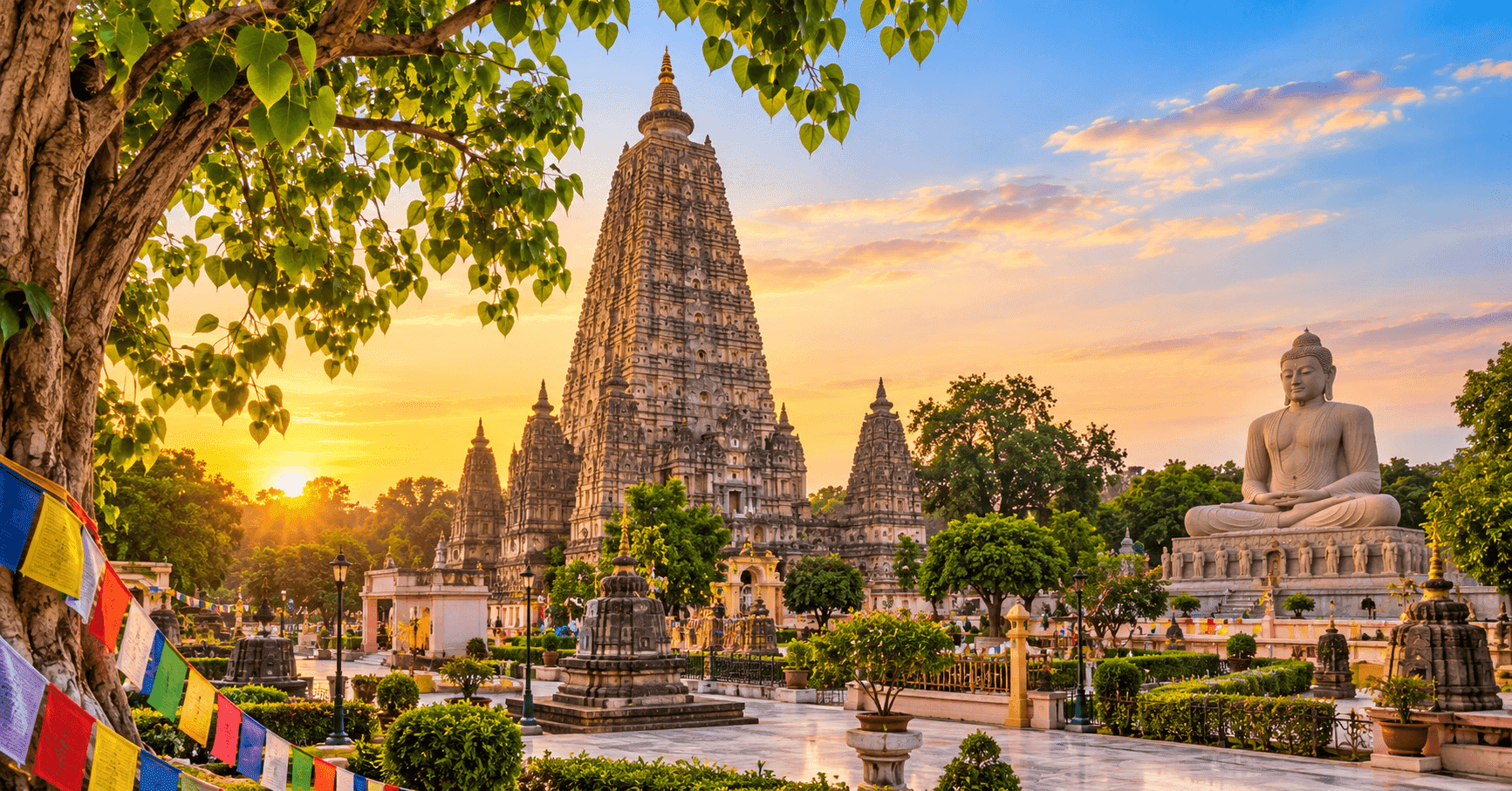
Discover the best places to visit in Bodhgaya, explore sacred pilgrimage sites, enjoy local sightseeing and find meaningful things to do. Plan your spiritual getaway and explore comfortable hotels in Bodhgaya for a relaxing and memorable stay.
Winter is a lovely time to slow down, trade busy days for quieter moments and discover places that offer a little peace of mind. In Bodhgaya, life seems to move at a gentler pace. Prayer flags flutter in the breeze, monks gather in monastery courtyards, and the peaceful surroundings invite you to pause, take a breath and look at the world a little differently. Here, travel becomes less about rushing from one attraction to another and more about enjoying the journey itself.
Whether you are curious about Buddhist traditions, drawn to sacred places or simply looking for a winter escape with a different feel, Bodhgaya has plenty to discover. This guide takes you through the places to visit in Bodhgaya, memorable experiences, nearby spiritual landmarks and practical tips to help you plan your trip.
Sacred Buddhist Heritage: Explore the Mahabodhi Temple Complex and the revered Bodhi Tree.
International Monasteries: Discover Buddhist architecture and traditions from Thailand, Japan, Bhutan and other countries.
Spiritual Reflection: Spend time in meditation, observe prayer rituals and explore sites associated with Buddha's life.
Nearby Pilgrimage Sites: Visit Dungeshwari Cave Temples and Sujata Stupa to learn more about the journey towards enlightenment.
Comfortable Winter Travel: Enjoy cooler conditions for walking between temples and exploring the town.
A Convenient Stay: Compare hotels in Bodhgaya based on their location, facilities and access to major attractions.
Bodhgaya is a popular destination during the cooler months, when the weather is generally more comfortable for outdoor sightseeing than during the summer. From October to March, milder conditions can make it easier to walk between temples, explore monasteries and spend time in peaceful courtyards.
Winter also brings pilgrims and visitors from different parts of the world. You may encounter groups chanting prayers, monks gathering for religious activities and visitors taking quiet moments to reflect. Schedules vary between monasteries, so check in advance if you hope to attend a particular ceremony or programme.
For anyone planning a Bodh Gaya pilgrimage, winter offers the chance to explore at a thoughtful pace. Begin your day at the Mahabodhi Temple, spend the afternoon discovering international monasteries and leave the evening free to unwind. December and January mornings can be cold, so carry warm layers if you plan to attend early prayers or spend extended periods outdoors.
Bodhgaya's spiritual significance is closely connected with the life and teachings of Buddha. Its sacred sites, monasteries and places of reflection offer a meaningful starting point for exploring the town's Buddhist heritage.
The Mahabodhi Temple Complex is the spiritual heart of Bodhgaya and a UNESCO World Heritage Site. It marks the place where Siddhartha Gautama is believed to have attained enlightenment and become the Buddha.
The complex is known for its towering brick temple, intricate architectural details, stupas and sacred meditation spots. Its history spans several centuries, and it remains an important place of worship for Buddhist communities around the world.
As you explore, you may see pilgrims offering prayers, monks chanting and visitors spending time in quiet reflection near the sacred sites. The atmosphere is a reminder of why Bodhgaya holds such an important place in Buddhist tradition.
What to experience:
Admire the temple's architecture and surrounding sacred sites.
Observe the devotional practices of pilgrims from different Buddhist traditions.
Spend quiet time in designated meditation areas.
Learn about the site's history and religious significance.
The Bodhi Tree stands within the Mahabodhi Temple Complex and is traditionally regarded as a descendant of the tree under which Buddha attained enlightenment.
For Buddhist pilgrims, the tree represents awakening, wisdom and the possibility of liberation from suffering. Visitors often gather nearby to meditate, chant or sit quietly in reflection.
You do not need to follow a particular spiritual practice to appreciate the atmosphere here. Simply taking a few quiet moments beneath the tree can offer a welcome pause from the usual pace of travel.
The Great Buddha Statue is one of Bodhgaya's most recognisable landmarks. The statue depicts Buddha seated in meditation on a lotus pedestal and is surrounded by smaller figures representing important disciples.
Its scale and setting make it an interesting stop for visitors exploring Buddhist art and symbolism. The surrounding grounds also offer space to pause and appreciate the statue without rushing to the next attraction.
Wat Thai Bodh Gaya reflects Thailand's Buddhist architectural traditions and is among the international monasteries that give Bodhgaya its distinctive character.
The monastery is known for its decorative design, traditional Thai influences and peaceful atmosphere. A visit offers a glimpse into how Buddhist communities express their beliefs through architecture, artwork and religious practices.
Take your time to appreciate the details and follow the monastery's visitor guidelines, particularly if prayers or other religious activities are taking place.
The Indosan Nippon Japanese Temple introduces visitors to Japanese Buddhist architecture and artistic traditions. Its simple design and religious artwork offer a contrast to the more ornate structures found at some other monasteries in Bodhgaya.
The temple is a worthwhile stop for travellers interested in Buddhist art and the different ways Buddha's teachings are represented across cultures.
You can combine it with nearby monasteries as part of a relaxed sightseeing circuit. Check opening hours and photography rules before visiting.
The Royal Bhutan Monastery showcases Bhutanese Buddhist architecture and decorative traditions. Its design features traditional motifs and Buddhist imagery, offering insight into the country's religious culture.
The monastery adds another perspective to Bodhgaya's international Buddhist community. As you explore, respect the peaceful surroundings and avoid disturbing prayer or meditation activities.
Tergar Monastery is associated with Tibetan Buddhist traditions, study and meditation. It is an interesting stop for visitors who want to learn more about contemplative practices and the wider spiritual life of Bodhgaya.
Depending on the schedule, monasteries in the area may host prayers, teachings or meditation programmes. These activities are not always open to casual visitors, so check the monastery's current programme if you hope to attend one.
Bodhgaya's spiritual story extends beyond the main temple complex. The surrounding area includes sites associated with important moments in Siddhartha Gautama's journey towards enlightenment.
The Dungeshwari Cave Temples, also known as the Mahakala Caves, are located outside central Bodhgaya. Buddhist tradition associates the caves with the period when Siddhartha practised severe asceticism before following the Middle Way.
The site contains small shrines and images connected with this period of his life. Its rocky surroundings offer a different setting from the main temple complex and provide an opportunity to reflect on the journey that preceded his enlightenment.
Sujata Stupa, located in Bakraur across the Phalgu River, is associated with the story of Sujata, who is traditionally believed to have offered milk-rice to Siddhartha when he was practising extreme asceticism.
The story is significant because it represents his move away from severe self-denial towards the Middle Way. Visiting Sujata Stupa and the surrounding area adds another perspective to the events traditionally associated with Buddha's enlightenment.
Muchalinda Lake is located within the Mahabodhi Temple Complex and is associated with a traditional account of Buddha's meditation following enlightenment.
According to the story, the serpent king Muchalinda sheltered Buddha from a storm. A statue depicting this event stands beside the lake.
The lake offers a quieter stop during your temple visit. Take a moment to appreciate the setting while respecting visitors who may be praying or meditating nearby.
Beyond visiting monuments, there are several meaningful things to do in Bodhgaya during a winter trip. You can explore the town's spiritual traditions, discover its local markets and make time for experiences that let you slow down.
Spend Time in Meditation and Quiet Reflection: The area around the Mahabodhi Temple and Bodhi Tree attracts pilgrims and visitors who come to meditate, pray and reflect. You can spend some quiet time in designated areas while respecting the practices of other visitors.
Observe Buddhist Chanting and Prayer: Chanting and prayer are an important part of life around Bodhgaya's monasteries and sacred sites. Depending on the time of your visit, you may encounter monks and pilgrims gathering for religious practices.
Explore Local Markets: The streets around the main temple area have shops selling souvenirs and religious items. You may find prayer beads, Buddhist images, prayer flags, handicrafts and other cultural keepsakes.
Visit the Archaeological Museum: A museum visit can add historical context to the temples and monuments you have explored, particularly if you are interested in Buddhist art and architecture. Check the latest opening hours before including it in your itinerary.
Three days give you time to explore the main sacred sites, visit international monasteries and take an excursion beyond the town without rushing from one place to another.
Morning: Begin at the Mahabodhi Temple Complex. Explore its architecture and spend time near the Bodhi Tree.
Late Morning: Visit the sacred sites within the complex associated with Buddha's meditation following enlightenment.
Afternoon: Explore Muchalinda Lake and the Great Buddha Statue.
Evening: Return to the temple area for quiet reflection or to observe religious activities, subject to the day's schedule.
Morning: Visit Wat Thai Bodh Gaya, the Indosan Nippon Japanese Temple and the Royal Bhutan Monastery.
Afternoon: Explore Tergar Monastery or another monastery open to visitors. If time permits, visit the Archaeological Museum.
Evening: Browse local markets for handicrafts and Buddhist-inspired souvenirs before enjoying dinner.
Morning: Travel to Dungeshwari Cave Temples and explore the site associated with Siddhartha's period of ascetic practice.
Afternoon: Continue to Sujata Stupa and Sujata Kuti in Bakraur before returning to Bodhgaya.
Evening: Spend your final hours enjoying a relaxed walk or a quiet visit to a monastery, depending on opening arrangements.
If you prefer a slower trip, consider adding another day rather than squeezing every attraction into a tight schedule.
A little preparation can make your trip more comfortable, particularly because many attractions are active religious sites.
Pack for Cool Mornings: Winter mornings and evenings can be cold, even when afternoons are comfortable. Carry warm layers, comfortable walking shoes and a light jacket.
Follow Temple and Monastery Etiquette: Wear modest clothing, remove footwear where required and maintain silence around meditation areas. Follow the rules at each site, particularly regarding photography and restricted items.
Plan Transport for Nearby Sites: Dungeshwari Cave Temples and Sujata Stupa are outside the main temple area. Arrange local transport in advance if you want to visit both on the same day.
Check Opening Hours: Temple, monastery and museum schedules can vary. Confirm timings before setting out, especially if you are travelling for a particular prayer service or meditation programme.
Leave Time for Reflection: Avoid packing every day with too many stops. Making room for quiet reflection, prayer or simply enjoying the surroundings can make your trip feel more meaningful.
Finding the right place to stay can make your Bodhgaya trip more comfortable, leaving you free to explore sacred temples, peaceful monasteries and nearby spiritual landmarks at your own pace. When comparing hotels in Bodhgaya, look for a location that suits your itinerary, comfortable rooms, dining options and convenient transport facilities.
Marasa Sarovar Premiere, Bodhgaya offers a comfortable base for travellers exploring the town's rich Buddhist heritage. Located in Newtapur, Bodhgaya, the hotel features 78 rooms and suites, making it an accommodation option for travellers planning a spiritual getaway.
When choosing your stay, consider your sightseeing plans, preferred room facilities, dining needs and transport arrangements. A hotel that fits your itinerary can help you enjoy a more relaxed visit while discovering Bodhgaya's spiritual and cultural side.
Bodhgaya offers a peaceful winter escape, bringing together Buddhist heritage, sacred temples and serene monasteries. From the Mahabodhi Temple Complex and Bodhi Tree to Dungeshwari Cave Temples and Sujata Stupa, there is plenty to explore at a relaxed pace.
For a comfortable stay, Marasa Sarovar Premiere, Bodhgaya, offers 78 rooms and suites. If you are comparing hotels in Bodhgaya, visit the official Sarovar Hotels website to check availability and book your stay.
Plan your stay at Marasa Sarovar Premiere, Bodhgaya. For room availability, current rates and reservation assistance, contact the hotel directly:
Call: +91 63 1220 0222
Mobile: +91 81 0292 3876 / +91 92 6449 4042 / +91 92 6449 4043
Email: mspb@sarovarhotels.com