
Loading…
Loading…
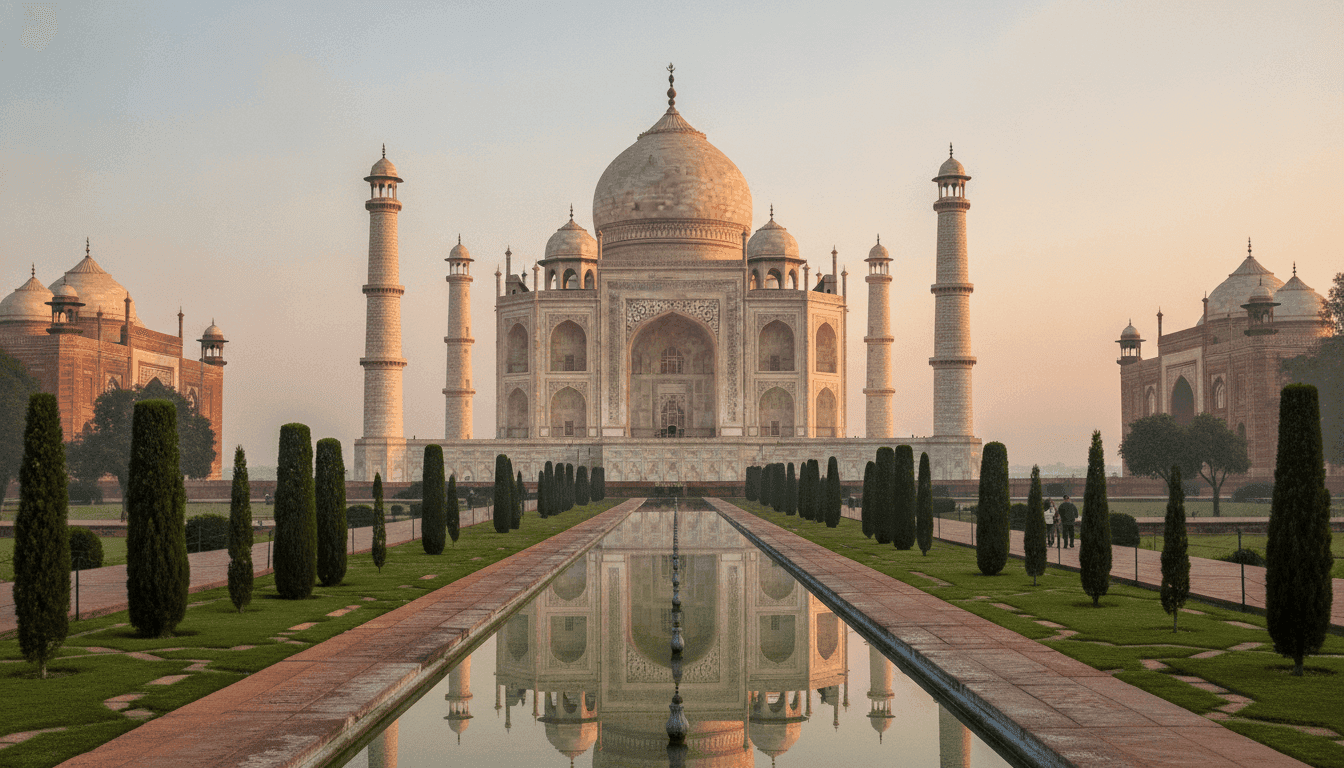
Plan your Taj Mahal visit with this complete Agra guide covering the best season, ideal timings, sunrise and sunset visits, nearby attractions, travel tips, tickets and comfortable hotel options.
The Taj Mahal is one of India's most iconic monuments and the centrepiece of most Agra itineraries. Choosing the best time to visit Taj Mahal can make a significant difference to the experience, particularly if you want comfortable weather, softer light for photography and enough time to explore the monument without rushing.
For most travellers, October to March is the most comfortable period for visiting Agra because daytime temperatures are generally more suitable for sightseeing than the hotter summer months. Winter mornings can be foggy, particularly in December and January, so travellers hoping for a clear sunrise view should keep weather conditions in mind.
The Taj Mahal is open to visitors from 30 minutes before sunrise until 30 minutes before sunset on normal operating days. It is closed to general visitors every Friday.
Rather than choosing one universal "best" hour, plan your visit around your priorities: sunrise for cooler conditions and softer light, late afternoon for warm illumination and sunset-adjacent photography, or mid-morning if you prefer a more relaxed start.
The ideal time depends on the season and the kind of experience you want.
For most visitors, the cooler months offer the most comfortable sightseeing conditions.
October and November can provide pleasant daytime weather, while December through February brings colder mornings and evenings. March gradually becomes warmer but can still be comfortable for sightseeing, particularly earlier in the day.
Early morning visits can offer softer light and cooler temperatures. However, winter fog can occasionally reduce visibility, particularly around December and January.
If seeing the Taj Mahal clearly at sunrise is important to you, check the local weather forecast before finalising your sightseeing schedule.
Photographers often prefer the softer light around sunrise or later in the day rather than the harsher midday sun.
Early morning can also provide a calmer atmosphere, although visitor levels vary by date and season.
April onwards can become increasingly hot in Agra, with May and June generally being particularly challenging for extended outdoor sightseeing.
If you are travelling during warmer months, an early morning visit is preferable to spending the middle of the day outdoors.
Understanding Agra's seasonal conditions can help you decide when to plan your trip.
October and November are often attractive months for Agra tourism. The weather becomes more comfortable after the hotter part of the year, making it easier to combine the Taj Mahal with Agra Fort and other attractions.
These months are particularly suitable for travellers who want to spend a full day exploring Agra rather than visiting only the Taj Mahal.
Winter is one of the most popular periods for visiting Agra.
The main advantage is comfortable daytime sightseeing weather. The main consideration is the possibility of fog, particularly during early mornings.
If your priority is a clear view of the Taj Mahal at sunrise, consider keeping your schedule flexible. A slightly later morning visit may provide better visibility on a foggy day.
Carry warm clothing, particularly if you plan to arrive before sunrise.
March can be a good transition month. Temperatures begin to rise, but sightseeing can remain comfortable, especially during the morning and late afternoon.
It is a useful period for travellers who want to combine heritage sightseeing with outdoor exploration.
Summer in Agra can be intense.
Daytime temperatures can make prolonged outdoor sightseeing uncomfortable, particularly around midday. If you travel during this period, plan the Taj Mahal for early morning and keep indoor or hotel-based activities for the hottest part of the day.
Stay hydrated, use sun protection and avoid unnecessarily long outdoor excursions during peak afternoon heat.
The monsoon can bring humidity, cloud cover and intermittent rain.
The advantage is that the landscape around Agra can look fresher, and the Taj Mahal can have a different visual character under dramatic skies.
However, rain can affect walking conditions and outdoor sightseeing plans. Keep some flexibility in your itinerary during this period.
One of the most important things to check before visiting is the official Taj Mahal opening time.
According to the official Taj Mahal website, the monument normally opens 30 minutes before sunrise and closes 30 minutes before sunset. The Taj Mahal is closed to general visitors every Friday.
Because sunrise and sunset change throughout the year, the exact practical visiting window changes seasonally.
This means it is better to plan around the actual sunrise and sunset for your travel date rather than relying on one fixed opening or closing hour.
Do not plan a regular sightseeing visit to the Taj Mahal on Friday. The official site states that the monument is closed for general viewing every Friday.
If your Agra itinerary includes the Taj Mahal, check your travel dates before booking accommodation and other sightseeing arrangements.
A sunrise visit is one of the most popular options for Taj Mahal tourism.
The early morning offers:
· Cooler temperatures
· Softer natural light
· A peaceful atmosphere
· Attractive photography conditions
· More time to explore Agra later in the day
However, winter fog can affect visibility. If the weather is hazy, the monument may not appear as clearly as expected during the earliest hours.
A morning visit is a good compromise for travellers who do not want to wake up extremely early.
You can arrive after sunrise, explore the monument in relatively comfortable conditions and then continue to Agra Fort or another attraction.
This option works particularly well for families and travellers who prefer a relaxed schedule.
An afternoon visit can work during cooler months, although the light can be stronger around midday.
In summer, however, the heat can make an afternoon visit less comfortable.
Late afternoon can be attractive for photography because the light becomes warmer as the day progresses.
Remember that the monument closes 30 minutes before sunset under normal operating conditions, so do not plan to arrive at the last moment.
The official Taj Mahal website currently lists different entry charges for domestic/Indian and foreign visitors. It also states that an additional charge applies for visitors who want to enter the main mausoleum.
The official ticketing information currently lists:
· Indian visitors: ₹50
· Foreign visitors: ₹1,100
· SAARC/BIMSTEC visitors: ₹540
· Additional main-mausoleum ticket: ₹200
Children below 15 years are currently listed as exempt from the entry fee.
Ticket prices and procedures can change, so confirm the latest details through the official Taj Mahal website before travelling.
The official site also states that tickets can be purchased online and that ticket counters operate from one hour before sunrise until 45 minutes before sunset.
Most travellers should allow around 2–3 hours for the Taj Mahal itself, although the exact duration depends on crowd levels, photography, ticket arrangements and how thoroughly you want to explore.
If you are visiting for photography, you may want additional time.
If your trip is part of a broader Agra sightseeing day, plan your schedule around the Taj Mahal rather than trying to squeeze it between several distant attractions.
A comfortable sequence could be:
Taj Mahal → Breakfast → Agra Fort → Lunch → Itimad-ud-Daulah or Mehtab Bagh → Evening
This keeps the major heritage attractions within a manageable sightseeing plan.
Agra has several important attractions that can be combined with a Taj Mahal visit.
Agra Fort is one of the city's most significant Mughal monuments and can be combined naturally with the Taj Mahal on the same day.
Its red sandstone architecture provides a visual contrast to the white marble of the Taj Mahal.
Located across the Yamuna, Mehtab Bagh is known for views towards the Taj Mahal and can be considered for photography and late-day sightseeing.
Often associated with its detailed marble work and decorative craftsmanship, Itimad-ud-Daulah offers another perspective on Mughal architecture.
Located farther from the Taj Mahal, Akbar's Tomb can be considered if you have additional time in Agra.
Fatehpur Sikri requires more travel time and is better treated as a separate half-day or day excursion rather than something to squeeze into a short Taj Mahal visit.
If you have only one day, prioritise the most important attractions.
Start with the Taj Mahal.
Arriving early gives you enough time to explore before the day becomes busier and warmer.
After leaving the Taj Mahal, have breakfast and take a short break.
Visit Agra Fort.
Allow enough time to explore the fort rather than rushing through it.
Take lunch and rest.
If time permits, visit Itimad-ud-Daulah or another nearby attraction.
Depending on your schedule, consider Mehtab Bagh or return to your hotel.
This approach provides a balanced experience without turning the day into a race between monuments.
Where you stay can make a difference when your primary objective is an early Taj Mahal visit. Staying within a convenient part of the city can reduce unnecessary travel time and make an early start easier.
For travellers comparing hotels in Agra, consider proximity to the Taj Mahal, room comfort, dining, parking, transport assistance and facilities for relaxing after a full sightseeing day.
Royale Sarovar Portico, Agra is located on Fatehabad Road and is listed by the hotel as approximately 2.9 km from the Taj Mahal, 4.8 km from Agra Fort and 7.4 km from Agra Railway Station.
The property has 66 rooms and offers facilities including a fitness centre, event hall, high-speed Wi-Fi, travel desk, spa and swimming pool.
Its room categories include Deluxe Twin, Deluxe Double, Executive and Suite options, with the Executive Room and Suite accommodating up to four guests according to the official room information.
The hotel also lists early check-in/check-out, parking, concierge services and transfers and tours among its facilities.
Golden Tulip, Agra is another Sarovar property on Fatehabad Road. The hotel lists itself as approximately 3.8 km from the Taj Mahal, 6.3 km from Agra Fort and 11.1 km from Agra Airport.
The property has 54 rooms and suites, a multi-cuisine restaurant, banquet facilities, swimming pool, Wi-Fi, spa and fitness centre.
For travellers who want to combine sightseeing with comfortable downtime, its facilities can make it a practical base for an Agra holiday.
The Taj Mahal is one of India’s most photographed monuments, but capturing memorable photographs depends greatly on the time of day, weather and your chosen viewpoints. A little planning can help you make the most of the changing light and atmosphere around the monument.
Early morning is an excellent time for photography because the light is generally softer and creates gentler shadows across the white marble. The quieter atmosphere can also make it easier to capture the Taj Mahal without excessive crowds in the background.
Late afternoon can provide warm, golden light that adds depth and character to the Taj Mahal’s marble surfaces. As the sun moves lower, architectural details, arches and domes can create attractive highlights and shadows for photographs.
Weather conditions can significantly influence how the Taj Mahal appears in photographs. Fog and haze may soften the monument during winter mornings, while clouds and humidity can create a different mood during other seasons, so remain flexible with your photography expectations.
Give yourself enough time to explore different viewpoints instead of taking all your photographs from a single location. Moving around the complex can help you capture the Taj Mahal from different angles, including its gardens, reflecting pool and architectural details.
Photography should always follow the instructions provided by the authorities and security personnel. Pay attention to restrictions on where photography is permitted, especially around protected areas and specific sections of the monument.
Before planning your visit, check the latest official visitor information because the normal visiting window is linked to sunrise and sunset. The Taj Mahal is also closed for general viewing every Friday, so confirming the schedule in advance can help you avoid an unnecessary trip.
Use the official Taj Mahal ticketing information when planning your visit and avoid relying on unverified timings or ticket claims from third-party sources. Booking through official channels can also help you understand current ticket categories, entry rules and available options.
Summer temperatures in Agra can become uncomfortable, particularly from late morning through the afternoon. Planning an early visit allows you to explore the monument before the strongest heat and makes walking around the complex considerably more comfortable.
If you are visiting during the hotter months, carry water and take suitable precautions against the sun. Sunglasses, a hat or other sun protection can be useful when spending extended periods outdoors, particularly between April and June.
A Taj Mahal visit involves walking through entrance areas, gardens and open spaces, so comfortable footwear can make the experience much easier. Choose shoes that are suitable for extended walking and outdoor conditions.
Winter mornings in Agra can sometimes bring fog or haze, which may reduce visibility and affect the appearance of the Taj Mahal. Keeping some flexibility in your sightseeing schedule allows you to adjust your visit if early-morning conditions are less favourable.
Allow additional time for reaching the Taj Mahal, particularly during busy tourism periods. Traffic, security checks and queues can take longer than expected, so arriving with some buffer time can make the overall experience less stressful.
One of the simplest mistakes to avoid is planning your Taj Mahal visit on a Friday. The monument is closed for general viewing every Friday, so check the official schedule and choose another day when organising your Agra itinerary.
October to March is generally comfortable for family sightseeing. A morning visit is a practical option because children may find extended afternoon sightseeing tiring.
Sunrise and late afternoon can both offer attractive settings for photography and a more atmospheric experience.
Choose cooler months and avoid unnecessarily long outdoor schedules. A comfortable hotel location and planned transport can also reduce walking and travel fatigue.
Sunrise and late afternoon are particularly attractive because of softer light. Winter weather should be considered when planning sunrise photography.
Shoulder-season travel can sometimes provide more accommodation choices, but compare actual rates for your dates before booking.
Travel Period | Weather | Best For |
October–November | Pleasant | General sightseeing |
December–February | Cool/cold | Comfortable sightseeing, winter travel |
March | Mild to warm | Heritage sightseeing |
April–June | Hot | Early-morning visits |
July–September | Humid/monsoon | Flexible travellers and dramatic skies |
These are broad seasonal planning guidelines rather than guarantees. Actual weather can vary from year to year.
The best time to visit Taj Mahal ultimately depends on your priorities, but October to March is a strong choice for travellers seeking comfortable sightseeing conditions. Sunrise is ideal for cooler temperatures and soft light, while late afternoon can offer warm photographic conditions.
The most important practical point is to check the official visiting schedule before travelling. The Taj Mahal normally opens 30 minutes before sunrise, closes 30 minutes before sunset and remains closed to general visitors every Friday.
A well-planned Agra itinerary should also leave enough time for Agra Fort and other nearby attractions instead of trying to visit too many monuments in one day.
For accommodation, Sarovar Hotels offers two Agra properties—Royale Sarovar Portico, Agra and Golden Tulip, Agra—giving travellers options for a comfortable base while exploring the Taj Mahal and the wider city.
Make your Taj Mahal visit easier by choosing a convenient stay, planning your sightseeing around the official monument timings and booking your accommodation in advance.
Royale Sarovar Portico, Agra
Fatehabad Road, Agra
Phone: +91 98 3789 2057
Email: rspa@sarovarhotels.com
Golden Tulip, Agra
Fatehabad Road, Agra
Phone: +91 74 5480 2190
Email: info@goldentulipagra.com
For the latest hotel availability and direct booking information, use the official Sarovar Hotels website.